


The Kathmandu Valley Tour is one of the most rewarding experiences in Nepal, taking visitors deep into the heart of the country's history, religion, and traditional art. Nestled at an elevation of around 1,400 meters, the valley includes three historic cities—Kathmandu, Patan (Lalitpur), and Bhaktapur—each home to its own UNESCO World Heritage Sites, ancient palaces, courtyards, temples, and bustling local life.
Begin in Kathmandu Durbar Square, the former royal palace complex filled with centuries-old temples, wood-carved windows, and courtyards. Key highlights include the Hanuman Dhoka Palace, Kumari Ghar (home of the living goddess Kumari), and the intricately designed Kasthamandap.
Visit Swayambhunath Stupa, also known as the Monkey Temple, perched on a hilltop overlooking the valley. This Buddhist site is revered by both Buddhists and Hindus and is famous for its massive white dome, golden spire, and the all-seeing eyes of Buddha.
Next is the sacred Pashupatinath Temple, one of the holiest Hindu temples dedicated to Lord Shiva. Located on the banks of the Bagmati River, it’s also a key site for Hindu cremation rituals and a fascinating cultural experience.
Conclude your Kathmandu visit at Boudhanath Stupa, one of the largest spherical stupas in the world. Surrounded by Tibetan monasteries, prayer wheels, and fluttering prayer flags, it’s a peaceful and spiritual hub with strong Tibetan Buddhist influence.
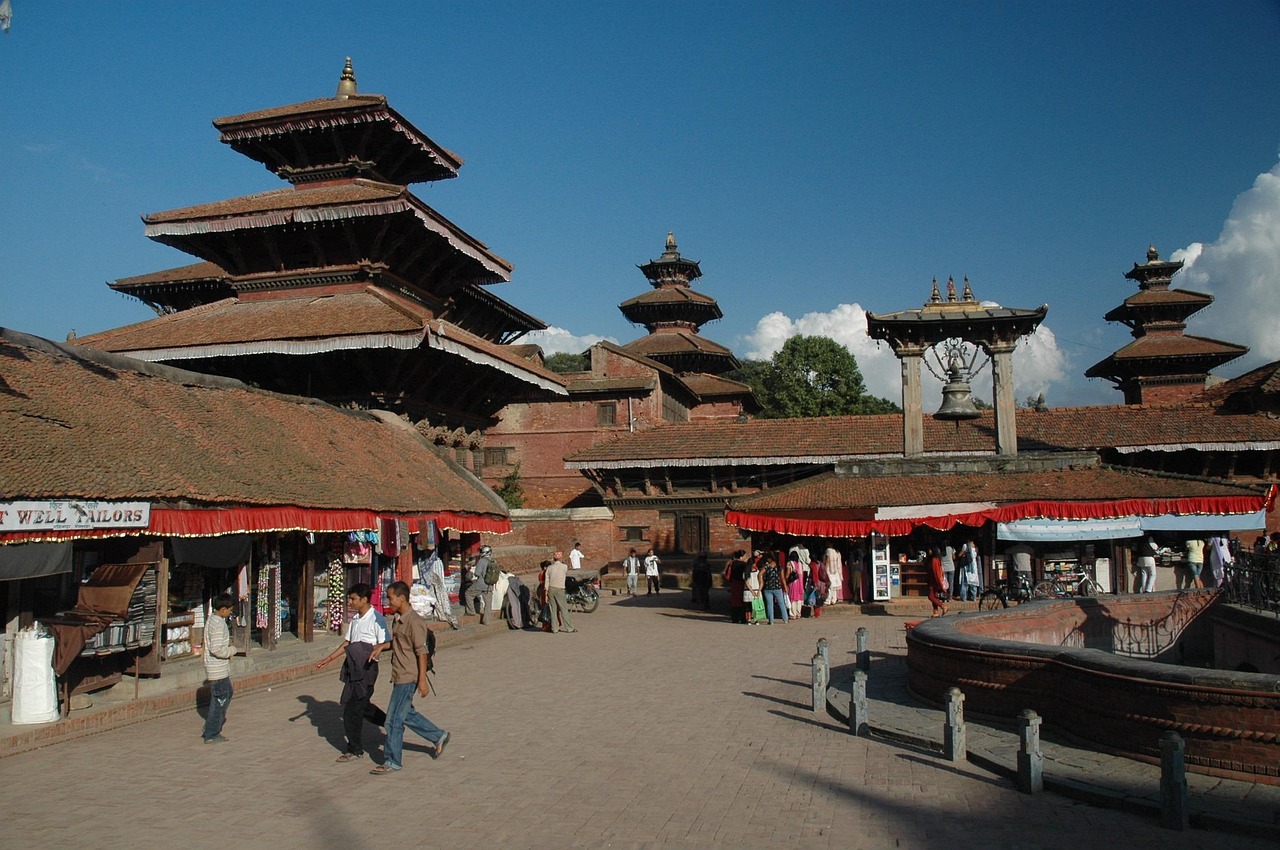
Just across the Bagmati River lies Patan, known for its refined Newari architecture and centuries-old artistic heritage. Patan Durbar Square is home to beautifully crafted temples, stone sculptures, and the stunning Krishna Mandir built entirely of stone. The Patan Museum, located within a historic palace, offers deep insights into Nepali art, bronze works, and religious traditions.
Patan is also famous for its traditional metalwork, wood carvings, and thanka paintings—visitors can visit local workshops and see artisans at work.
Traveling further east, Bhaktapur feels like stepping back in time. This city is the best preserved among the three, with fewer vehicles and more open courtyards and temples. Bhaktapur Durbar Square features the 55-Window Palace, Vatsala Temple, and Golden Gate. The city’s Nyatapola Temple—a five-tiered pagoda—is one of the tallest and most striking temples in Nepal.
Wander through traditional pottery squares, taste the local delicacy Juju Dhau (king curd), and enjoy the artistic beauty that permeates every corner of this cultural gem.
Rich insights into Hinduism and Buddhism
Newari architecture and heritage
Friendly locals, traditional markets, and street life
Stunning wood, metal, and stone artwork
Delicious local food and authentic cultural experiences
Culture and history lovers
Spiritual travelers
Photographers and architecture enthusiasts
Families and solo travelers



Cultural Respect:
Always remove your shoes before entering temples or courtyards. Dress modestly—cover shoulders and knees when visiting religious sites.
Photography:
Photography is allowed in most places, but some temples and shrines restrict it. Always ask your guide or locals before taking photos of people or ceremonies.
Entry Fees:
Most heritage sites charge entrance fees, which are usually included in private tour packages but not in cheaper group tours. Keep some cash (Nepali rupees) on hand.
Weather & Clothing:
Wear comfortable clothes and walking shoes. Carry a light jacket or umbrella during monsoon or cooler seasons.
Traffic & Timing:
Start the tour early to avoid heavy traffic and large crowds, especially at Boudhanath and Pashupatinath during morning or evening prayer times.
Health & Safety:
Kathmandu's air can be dusty, so carrying a face mask is a good idea if you're sensitive. Also, drink bottled or filtered water only.
Shopping:
Thamel, Patan, and Bhaktapur have local markets for handicrafts, thangka paintings, jewelry, and pashmina. Bargaining is acceptable but should be respectful.
The Kathmandu Valley Tour is a culturally immersive journey through ancient cities, sacred temples, vibrant streets, and UNESCO World Heritage Sites. You’ll explore a mix of Hindu and Buddhist landmarks, get a taste of traditional Nepali life, and enjoy art, history, and architecture all within a compact area.
1. Explore Historic Durbar Squares
Visit Kathmandu Durbar Square, home to the former royal palace, intricately carved temples, and the Kumari Ghar (home of the living goddess).
Continue to Patan Durbar Square, famous for its fine Newari architecture, ancient Hindu and Buddhist temples, and the Patan Museum, one of the best in South Asia.
Head to Bhaktapur Durbar Square, the best-preserved royal square, known for its 55-Window Palace, towering Nyatapola Temple, and traditional lifestyle.
Activities:
Walk through ancient courtyards
Admire wood and stone carvings
Learn history from your guide
Enjoy street performances and local life
2. Visit Sacred Temples and Stupas
Climb to Swayambhunath (Monkey Temple), a sacred Buddhist site offering panoramic views of Kathmandu and surrounded by playful monkeys.
Experience Pashupatinath, the holiest Hindu temple in Nepal, where you can witness traditional rituals and cremation ceremonies along the Bagmati River.
Visit the peaceful Boudhanath Stupa, one of the largest stupas in the world, surrounded by Tibetan monasteries, prayer wheels, and monks.
Activities:
Observe Hindu and Buddhist ceremonies
Spin prayer wheels and light butter lamps
Receive blessings from monks or priests
Learn about Nepali religious harmony
3. Experience Local Markets and Handicrafts
Stroll through bustling alleys in Thamel or Asan Bazaar, full of spices, prayer flags, souvenirs, and street food.
Watch artisans create traditional metalwork, pottery, woodcarvings, and thanka paintings in Bhaktapur and Patan.
Activities:
Shopping for local souvenirs
Interact with local vendors and craftsmen
Try authentic Newari snacks or traditional lunch
4. Enjoy Scenic Views and Local Life
Get sweeping views of the Kathmandu Valley from Swayambhunath or Boudhanath rooftops.
In Bhaktapur and Patan, enjoy quieter, more relaxed walks through alleys and courtyards that reveal daily life—like locals making pottery or drying grains in the sun.
Activities:
Capture beautiful photography
Relax in traditional cafés
Learn local traditions and stories


If this itinerary doesn't suit you and you'd like to create your own, let's talk now!

Not usually included in standard day tour packages. However, your guide can recommend or take you to excellent local restaurants for lunch or snacks during the sightseeing. You’ll have the chance to try authentic Nepali cuisine like:
Dal Bhat (lentil soup with rice and vegetables)
Momo (Nepali dumplings)
Newari dishes (like Bara, Choila, or Samay Baji)
International options are also available in areas like Thamel, Patan, and Bhaktapur.
Custom packages may include lunch or dinner if pre-arranged.

Since Kathmandu Valley tours are mostly day tours, accommodation is not included in the sightseeing package.
We have prepared a list of departure dates for this touravailable each month. You are welcome to choose a date and time that best fits your schedule. If none of the listed options work for you, please let us know your preferred date and time, and we will be happy to arrange it accordingly. As a customized tour operator in Nepal, we mainly offer private departures for this tour.
If you would rather join a group for the tour, just inform us. We can easily organize a group departure on a date and time that works well for you.

Tour Duration:
Most sightseeing tours are full-day (6–8 hours), but half-day or multi-day options are also available.
Group Size:
Private tours can be arranged for individuals, couples, families, or groups. Group tours are also available and more budget-friendly.
Transportation:
Comfortable, private vehicles (car, jeep, or van depending on group size) are used for the tour. Traffic in Kathmandu can be busy, so allow flexibility in timing.
Language:
English-speaking licensed guides are provided. Guides speaking other languages (German, French, Spanish, Chinese, etc.) can be arranged on request.
Customization:
The tour is fully customizable—additional stops, cultural performances, food tours, or artisan workshops can be added.



 Saftey Trips Expert Guides Resonable Price Experienced